Talk to us
03000 810032
Combating number spoofing: fighting back against fraud

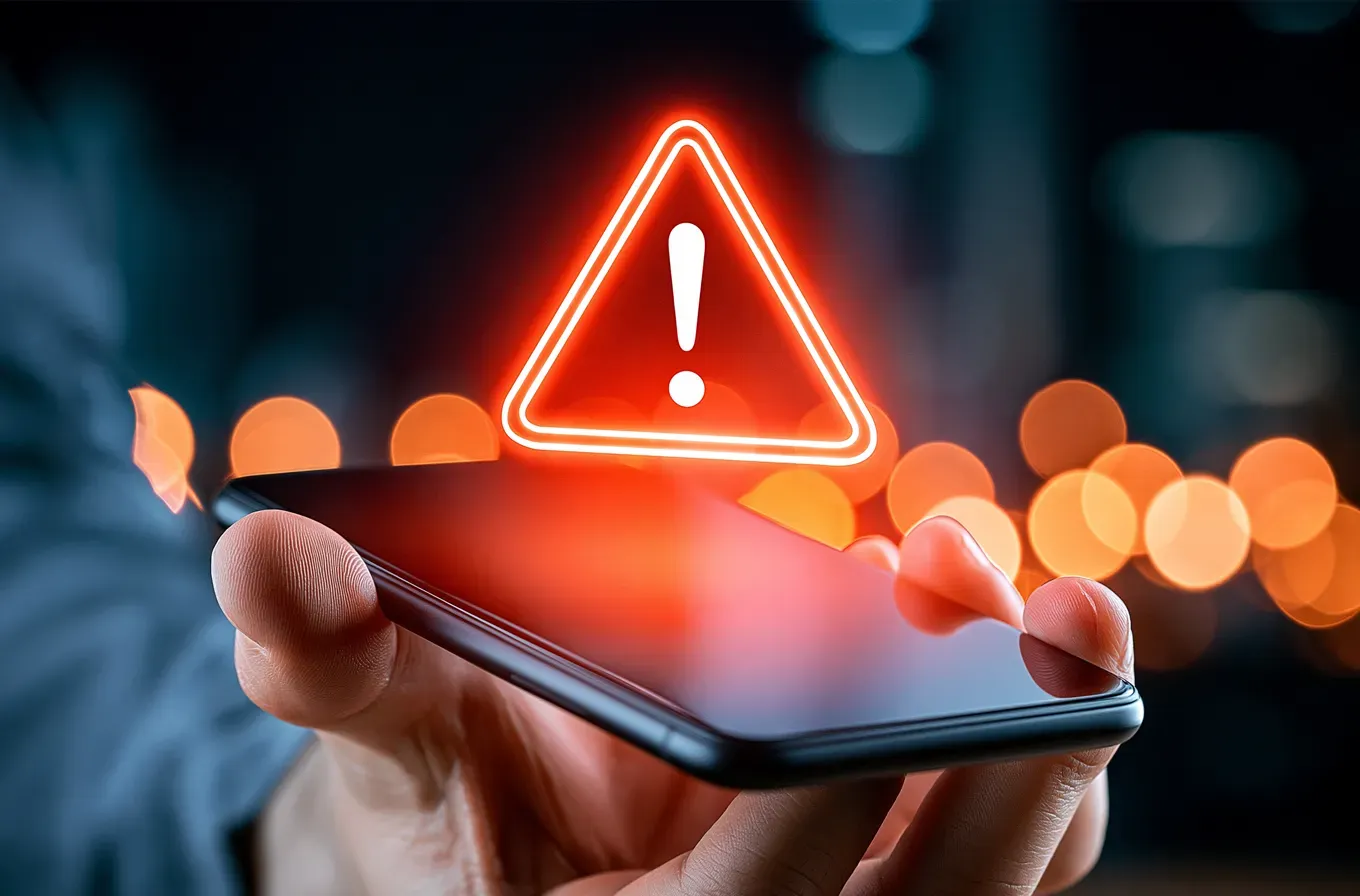
Number spoofing is now a popular weapon for fraudsters, as it disguises where a call comes from to make it appear more trustworthy.
For example, have you looked at your ringing phone and seen a familiar-looking number? Perhaps it has your local area code or appears to be a normal mobile number beginning 07.
So, you answer it.
Unfortunately, the person calling may be thousands of miles away and the number on your screen may have nothing to do with them.
The good news is that regulators and telecoms providers are fighting back. New measures introduced during 2025 and 2026 are making it increasingly difficult for overseas scammers to hide behind legitimate-looking UK telephone numbers.
What is number spoofing?
Number spoofing involves manipulating Calling Line Identification (CLI) information so the number displayed to the person receiving a call isn’t necessarily the number from which the call originated.
There are legitimate reasons why a business may use a different number, such as wanting calls from several offices to display a main customer service number.
However, criminals exploit the same technology for fraudulent purposes. They might imitate your bank, a government department or another trusted organisation. Alternatively, they may simply display a UK landline or mobile number to hide the fact they are based overseas.
Ofcom research published in 2025 found that 26% of people said they were likely or very likely to answer an unrecognised UK mobile number, compared with just 9% for an unrecognised international number.
Blocking spoofed UK landline numbers
An important change came into force in January 2025. Under strengthened Ofcom guidance, phone providers are expected to identify and block calls originating overseas that falsely display UK landline numbers as their Presentation Number (apart from a limited number of exceptions).
BT had already voluntarily introduced similar measures and reported blocking up to one million calls every day during its first month of implementation. Ofcom’s strengthened guidance helped make this type of protection standard practice across the industry.
But that still left another significant challenge: mobile numbers.
Tackling spoofed UK mobile numbers
Spoofing mobile numbers is more complicated because there are legitimate reasons why a call displaying a UK mobile number might originate overseas (e.g. someone could simply be roaming).
Ofcom has therefore taken a different approach. In July 2026, it strengthened its guidance covering international calls that appear to come from UK +447 mobile numbers. Telecoms companies should now withhold the caller ID of these calls unless they can verify that the number is valid.
The result is straightforward from the customer’s perspective. A criminal overseas should find it considerably harder to make their call appear to come from an ordinary UK mobile number.
A genuine UK customer calling home while roaming can still have their number displayed where their provider is able to verify it.
Building stronger network defences
Blocking suspicious international calls is only one part of the UK’s response, as there are several layers of defence.
One of these is the Do Not Originate (DNO) list. Created by Ofcom and UK Finance, it records telephone numbers belonging to organisations that receive calls but aren’t used to make outgoing calls. If a call appears to originate from one of those numbers, it can therefore be identified as spoofed and blocked.
Telecoms providers are also expected to carry out appropriate checks on customers using numbers they have been allocated and monitor for potential misuse. This means the regulator is scrutinising the responsibilities of providers, as well as the activities of scammers.
Sharing information about fraud
Communication between organisations fighting fraud is another important piece of the puzzle. In September 2026, Comms Council UK published guidance developed with Ofcom, the Information Commissioner’s Office and the Home Office to help communications providers share information about fraud and scams lawfully with organisations including law enforcement, industry partners and fraud prevention bodies.
That’s significant because telecoms fraud rarely sits neatly within one network. Identifying suspicious patterns and sharing information can help the industry respond more effectively rather than each provider tackling the problem in isolation.
Ofcom recommends reporting suspicious mobile calls and messages to 7726. These reports help providers identify scam activity and update their network protections.
Is your business taking number spoofing seriously?
Number spoofing can damage businesses too. Imagine discovering that criminals have been making fraudulent calls while displaying your company’s telephone number.
Customers receiving those calls don’t necessarily understand how number spoofing works. As far as they’re concerned, your business name or number appeared on their phone. That can quickly undermine trust in a number your business may have spent years encouraging customers to recognise.
Businesses therefore need to think about telephone security as part of their wider approach to communications and cybersecurity.
Here at DB Communication, we don’t just find the cheapest telephone package or broadband connection. We can help you understand how your numbers are configured, make sure your telephone systems are set up correctly and advise you on appropriate security measures.
As telecoms technology becomes more sophisticated, the benefits of using a trusted provider are becoming increasingly valuable. Because when your customers see your number on their screen, maintaining their trust matters.